When words aren’t enough
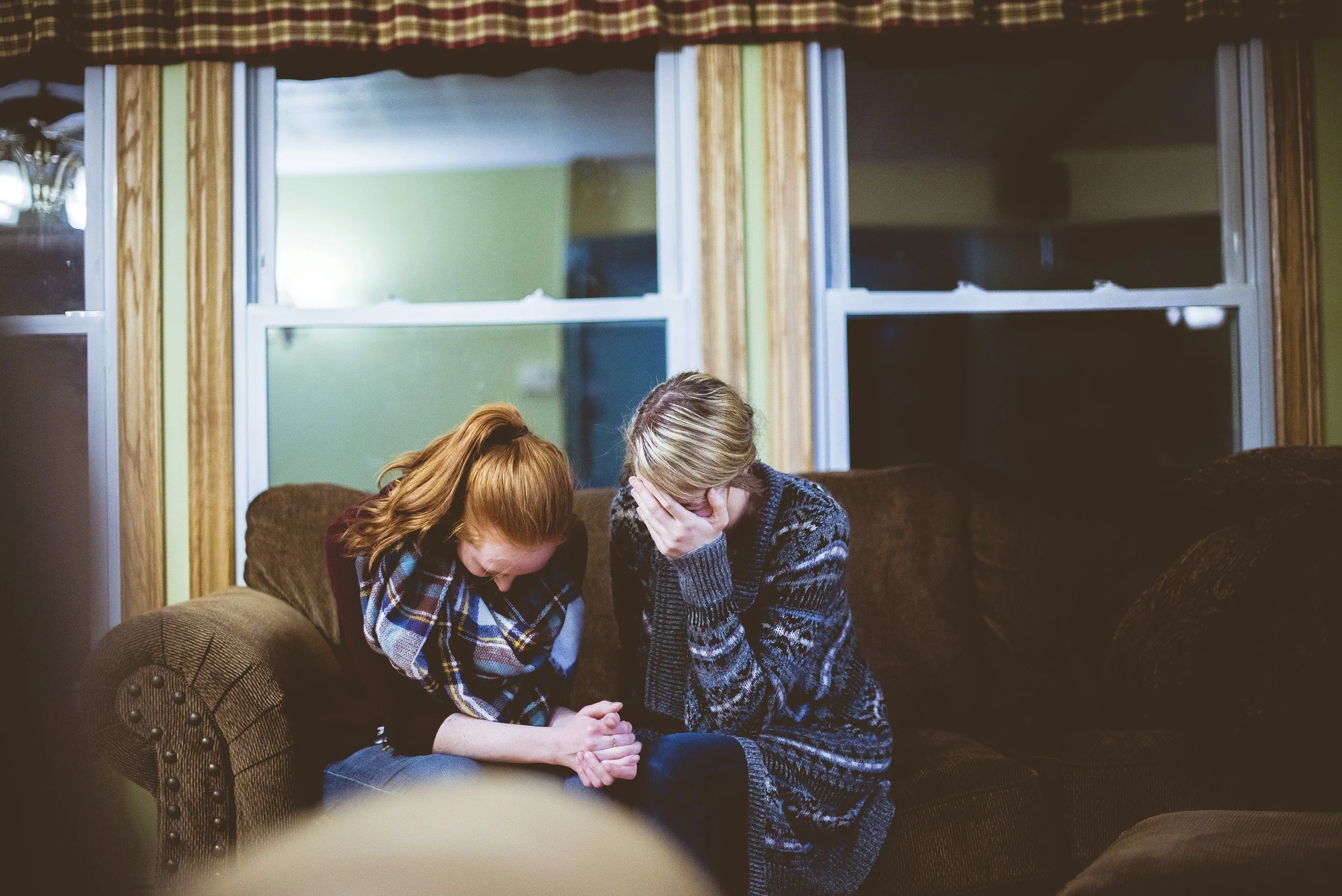
In my Check-In newsletter last Tuesday, I talked about my first speaking gig and how much of a success it was.
I had so many people approach me after my speech. Some thanked me for being vulnerable and for having the strength to talk about my experience. Some told me how much my speech inspired them. Others thanked me for sharing my husband’s experience too, for including him in the recovery process after my miscarriage, and for giving his perspective a place in my books.
But one person stood out to me because she asked me a question I had never really given much thought to: “Were you able to finally put words to what you felt and went through?”
She caught me by surprise, but I was able to answer her question immediately. No. There are no words in the English language that can get remotely close to describing what I experienced.
Then she shared her story with me. She had been married to her wife for years before they decided to have a child and went through the process for her wife to become pregnant. She told me that, as a woman herself, she had gone through her fair share of womanhood. She watched her wife struggle and could see that she was hurting. She tried to understand it. But ultimately, the experience contributed to tearing them apart, and they are no longer married.
I told her something I had learned through my own experience. Before my miscarriage, I had conversations with women who told me about theirs. When they described the physical pain, I heard things like, “Imagine the worst cramps you’ve ever had and multiply them by ten.”
Every time, I thought I understood. I thought I could imagine the severity of that pain. Then I experienced it myself. And I realized I had been nowhere close.
What I understood even less was how enormous the loss itself would feel. The grief was so intense that it felt as though my emotional wires had been completely severed. I was so disconnected that even being touched sometimes felt strangely numb.
I was also in such a dark place that, as someone who loves horror movies, I couldn’t watch a single dark movie or show for a long time. Not even comedy horror. I couldn’t bring myself to intentionally step into darkness on a screen when I was already carrying so much of it inside me.
I still don’t have words that adequately describe that experience. Strangely enough, the fact that I couldn’t even watch a horror movie is one of the closest ways I can explain how I felt. The physical pain was exactly as women had described it to me. The worst cramps you can imagine, times ten. But it was so much more than physical pain. The emotional pain was far more devastating than anything happening inside my body.
I wanted it all to stop. I became desperate to find something that could help me through it. Eventually, I found Lucky the BYRD. But after experiencing that level of darkness, I can understand how pregnancy loss and the grief surrounding it can lead someone toward suicidal thoughts.
I can’t tell you whether my mind would have gone in that direction if I hadn’t found Lucky the BYRD. I don’t know. What I do know is that I had never felt that kind of darkness inside me before, not even during some of the darkest periods of my younger years, when I had moments of wanting to simply disappear.
So when this woman told me about her ex-wife, I told her that there was no way she could have fully understood or imagined what her wife was feeling. Not even in her wildest dreams.
And I wasn’t saying that as criticism. I was saying it because I couldn’t understand it either. I am a woman. I had listened to other women describe miscarriage. I thought I could imagine it. And I still wasn’t remotely close until I experienced it myself.
So no, there was no way she could have known exactly what her wife was experiencing. But that doesn’t mean there was nothing she could have done. And I think that distinction matters. Maybe our job isn’t to understand another person’s pain. Maybe our job is to understand what support looks like when we know we cannot fully understand the experience itself.
Trying to completely understand someone else’s experience is, quite frankly, impossible. Even if you have gone through a miscarriage yourself, your experience will not necessarily look like someone else’s. Every person is different. Every pregnancy is different. Every miscarriage, birth, postpartum experience, recovery, and grief journey can be different.
You may recognize pieces of someone else’s experience because you’ve lived through something similar. You can imagine parts of it through the lens of your own experience. But that is as far as we can really go.
That was another thing the summit reinforced for me. I listened to story after story, and while there were similarities between them, there were also enormous differences. When we assume someone else’s pregnancy, miscarriage, birth, postpartum experience, or grief must look like ours, we risk overlooking the individuality of what that person is actually living through.
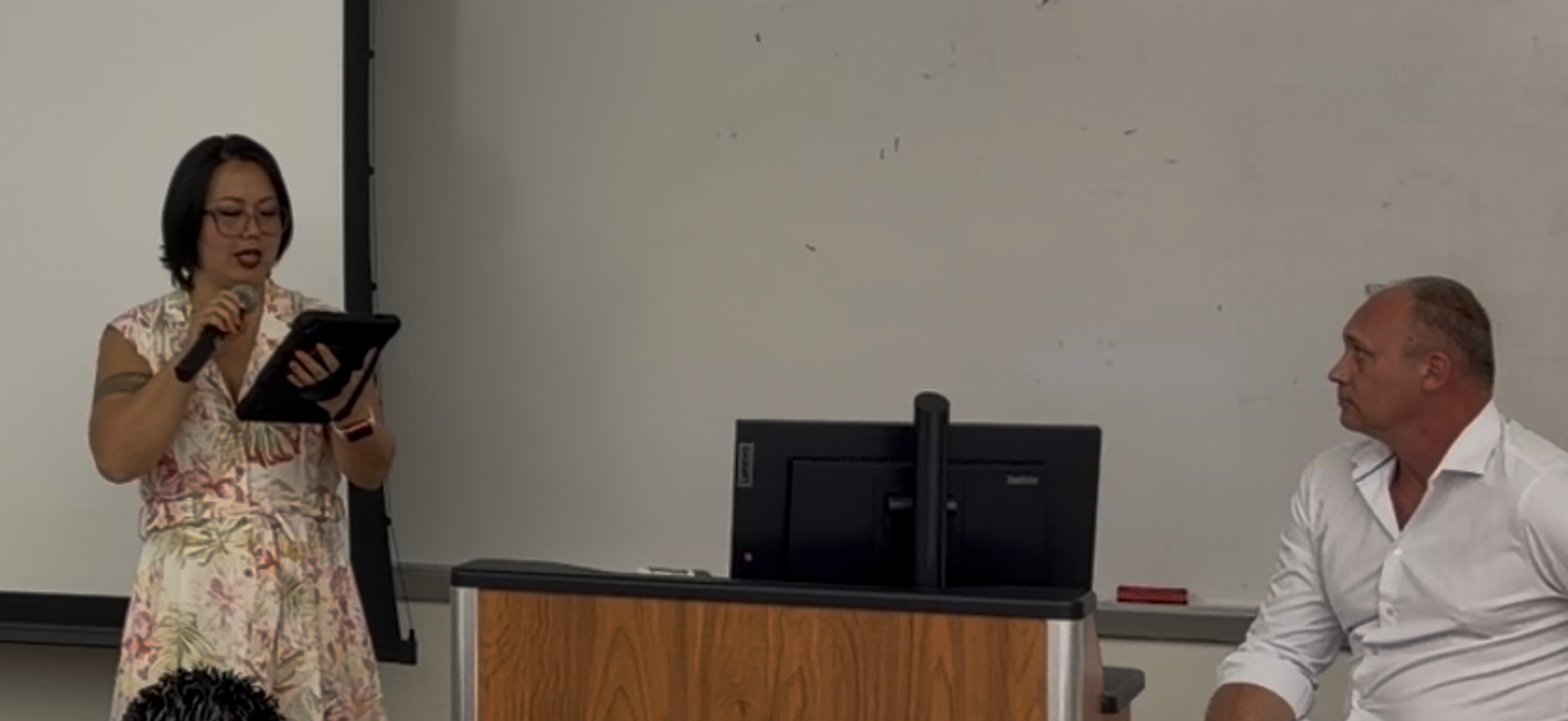
In my speech, I put a lot of emphasis on the fact that the first step in good communication isn’t talking. It’s listening. Especially when we’re talking about the difficult things life throws at us.
Hear the person who is hurting because you want to understand them, not because you are trying to compare their experience to something you already know. Listen without immediately reacting. Without rebuttal. Without judgment.
The more I think about that conversation, the more I realize that maybe we put too much pressure on ourselves to understand what someone else is going through. We say things like, “I understand,” or “I know how you feel,” because we’re trying to connect. But sometimes the more compassionate thing to say is: “I don’t know what this feels like for you, but I’m here, and I want to listen.” Because you don’t have to understand someone’s pain to support them through it.
That might actually be one of the biggest things I walked away from the summit realizing. Support isn’t having the perfect thing to say. It isn’t finding the silver lining. It isn’t comparing their experience to yours, trying to fix it, or convincing them that things will eventually get better.
Sometimes support is simply being willing to sit beside someone in an experience you cannot possibly comprehend. And listening is harder than we give it credit for.
Real listening requires us to quiet the part of ourselves that wants to respond immediately. The part that wants to tell our own story, offer advice, defend ourselves, explain something away, or make the uncomfortable feeling disappear.
Sometimes the person talking doesn’t need any of that. They need somewhere safe for their words to land.
And this applies far beyond miscarriage. It applies when someone is grieving, when a marriage is struggling, when someone is depressed, when somebody’s life changes in a way they never expected. It applies when your partner tells you something you don’t agree with, when your child tells you something you don’t understand, or when a friend is experiencing something completely outside the realm of anything you’ve ever lived through.
You don’t have to understand everything they are feeling. You have to be willing to hear them. And maybe that is where communication really begins.
One of the reasons I included Josh so heavily in my books and in my speech is because he couldn’t understand what was happening inside my body or my mind either. But he was still experiencing a loss of his own.
We were two people grieving the same pregnancy from two completely different places. If we had spent all of our energy trying to prove whose experience was worse, or expecting the other person to somehow instinctively know what we needed, I don’t know where that would have left us.
We had to learn how to tell each other what was happening inside of us. And just as importantly, we had to learn how to listen when the other person tried.
Looking back, I think that woman’s question was bigger than either of us realized when she asked it. “Were you able to finally put words to what you felt and went through?” No. I still can’t.
Sometimes there simply aren’t words adequate enough for what another human being is carrying. So what do we do when language fails?
We listen anyway.